Reliability Best Practices 101
While equipment failures can’t be completely eliminated, they can be reduced by understanding their root causes. This module focuses on practical lubrication best practices, with an emphasis on how contamination affects both the lubricant and the equipment, and how to identify, remove, and prevent it.
Oil Analysis
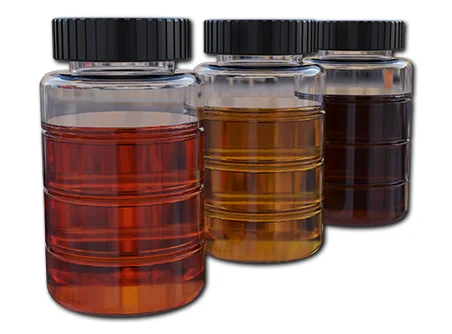
Oil sampling is a key part of moving from routine, time-based oil changes to a condition-based approach. By monitoring both lubricant condition and equipment health, teams can make informed decisions on whether to change, filter, or continue using the oil.
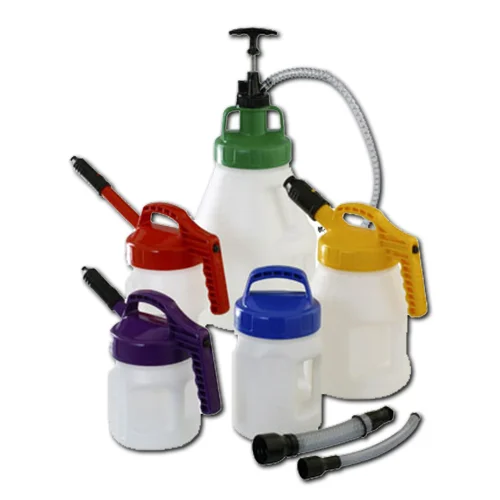
Lubricant Storage and Identification
Covers best practices for storing, handling, and transporting lubricants to prevent contamination before they reach the equipment. Without proper controls, lubricant cleanliness can degrade significantly during handling. Following proper storage and identification practices helps maintain lubricant quality and extend equipment life.
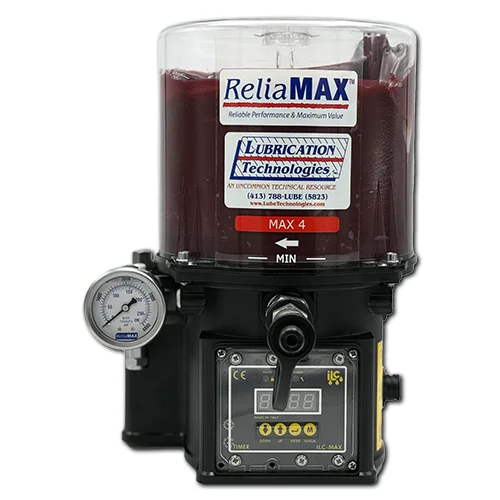
Lubricant Application
Explains the differences between manual and automatic lubrication methods, along with how to determine the correct amount and application intervals based on operating conditions such as temperature, speed, environment, and equipment configuration.
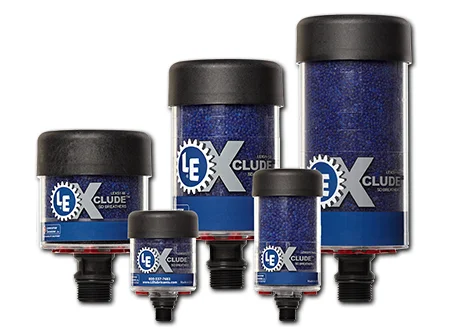
Contamination Exclusion
Focuses on identifying where contaminants originate and how they enter both stored lubricants and equipment. Participants learn practical methods for preventing dirt, moisture, and debris from entering the system.
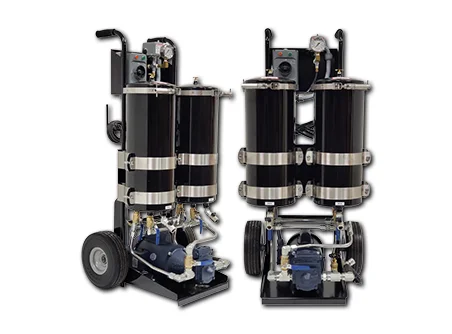
Contamination Removal
Introduces filtration and moisture removal techniques used to restore and maintain lubricant cleanliness. This includes the importance of filtering new oil prior to use and recognizing signs of contamination in service.
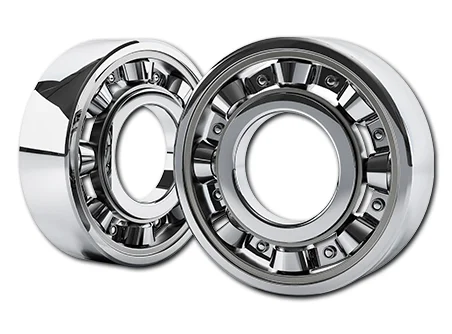
Bearings
Covers lubrication practices for one of the most common failure points in industrial equipment. Emphasizes proper grease selection, correct application amounts, and re-lubrication intervals to reduce failures caused by contamination and improper lubrication.
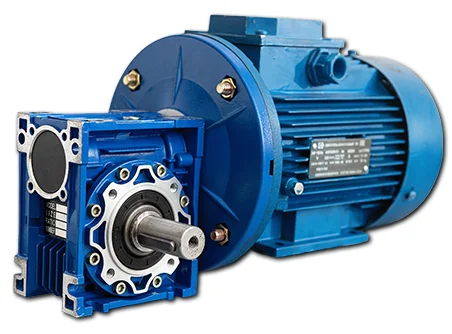
Gearboxes
Focuses on lubrication methods for both enclosed and open gear systems. Includes best practices for selecting lubricants and controlling contamination to extend oil life and protect gear components.
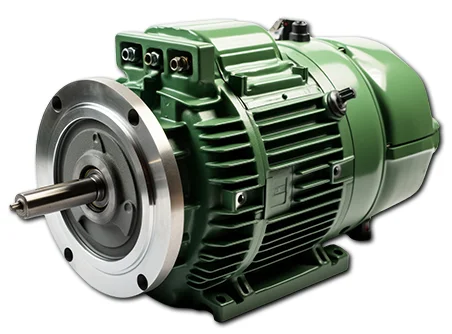
Electric Motors
Explains proper lubrication techniques for electric motor bearings, including how to avoid over-greasing and incompatibility issues that can lead to premature failure.
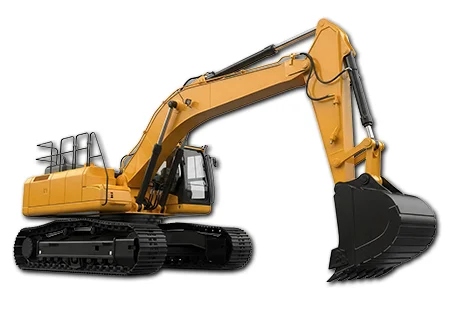
Hydraulics
Addresses the challenges of maintaining hydraulic oil condition under demanding operating conditions. Covers contamination and moisture control methods used to extend fluid life and improve system reliability.
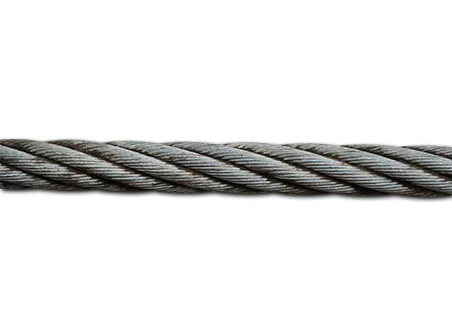
Chains and Wire Rope
Covers lubrication methods that improve penetration and reduce internal wear. Emphasizes proper lubricant selection to extend service life and reduce replacement frequency.
Asset Reliability Assessment
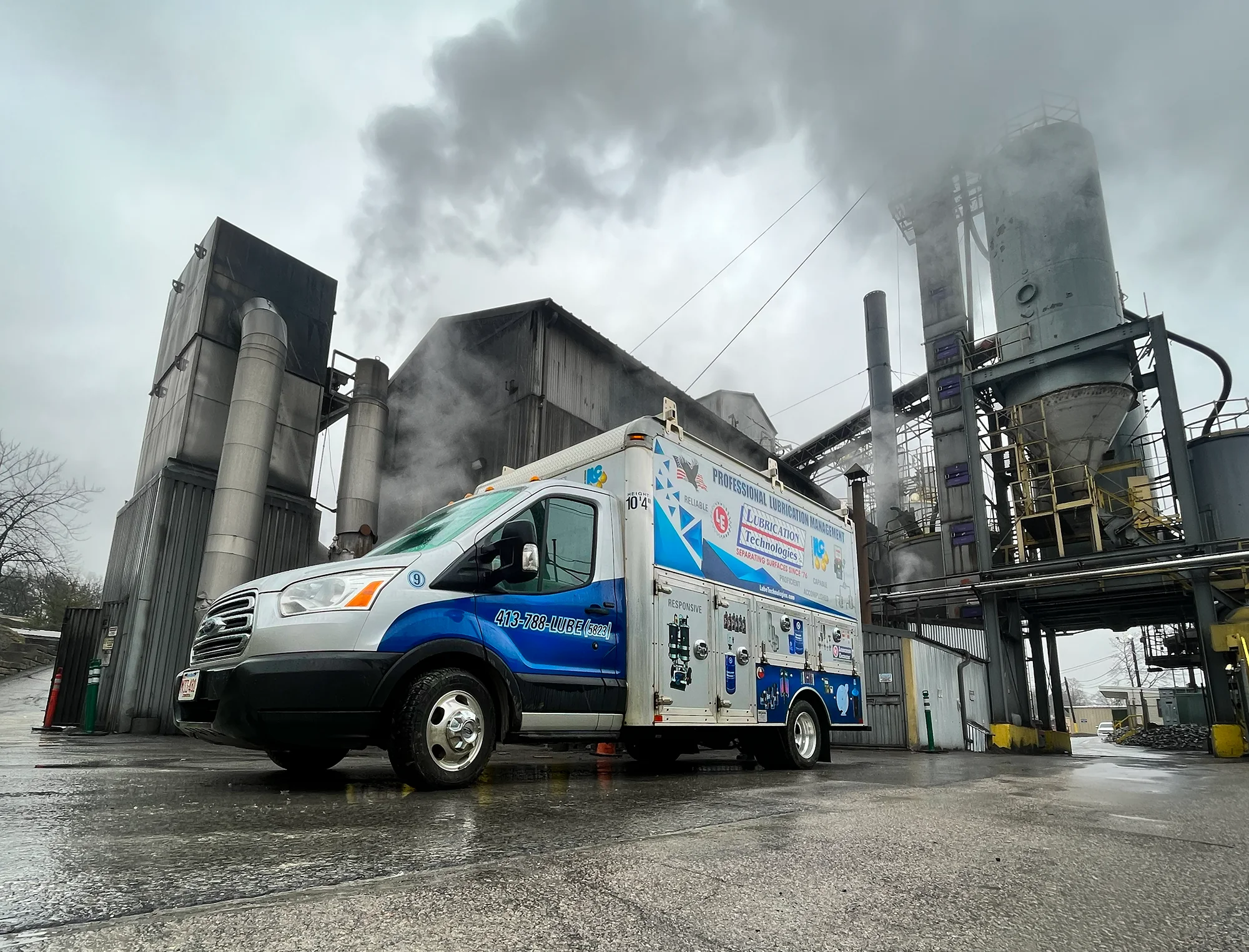
Includes a walkthrough of your facility to identify opportunities for improving lubrication practices and overall reliability. This assessment focuses on how lubricants are stored, handled, and applied across your operation, along with identifying areas where contamination may be entering the system.
Topics may include contamination control, oil sampling procedures, and lubricant storage and handling practices. The assessment can also cover hardware improvements such as breathers, sight glasses, and filtration systems, as well as proper top-off methods and general maintenance procedures.
The goal is to highlight practical changes that can improve consistency, reduce equipment wear, and extend the life of both lubricants and critical components.