
How One Conversation Transformed Maintenance in a Concrete Plant
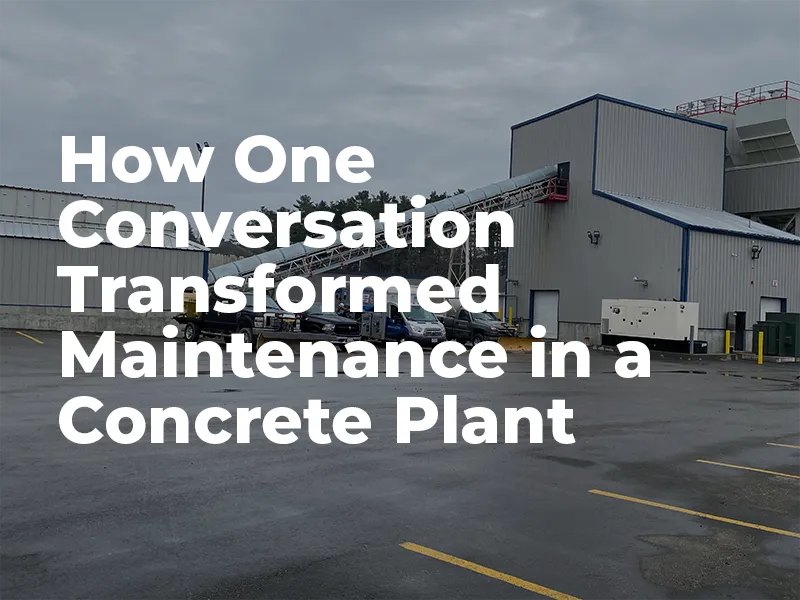
When a Massachusetts concrete producer commissioned a new batch plant, a critical element was missing: a safe, consistent lubrication plan for its internal equipment. During a routine assessment, LTI identified that the plant relied entirely on manual greasing, creating safety risks, inconsistent maintenance, and downtime-dependent access to several key lubrication points. A facility-wide evaluation confirmed the challenges and provided the basis for a new best-practices program. The solution included remote manifolds, progressive divider valves, single-point lubricators, dead-head detection, and component upgrades that improved visibility and reliability. Once implemented, the plant experienced safer access, more consistent lubrication, reduced shutdowns, and extended component life. What began as a difficult conversation led to measurable operational improvements across the entire facility.
Article: The Hidden Costs of Subpar Lubrication
Industrial operations face constant challenges from contamination, moisture, and improper lubricant selection. In this article from Cement Optimized, Clay Calk of Lubrication Engineers explains how these issues quietly drive up maintenance costs, shorten equipment life, and reduce operational reliability. He also outlines the practices and strategies facilities can use to improve lubrication performance and achieve measurable savings.
Hidden Costs of Over-Greasing
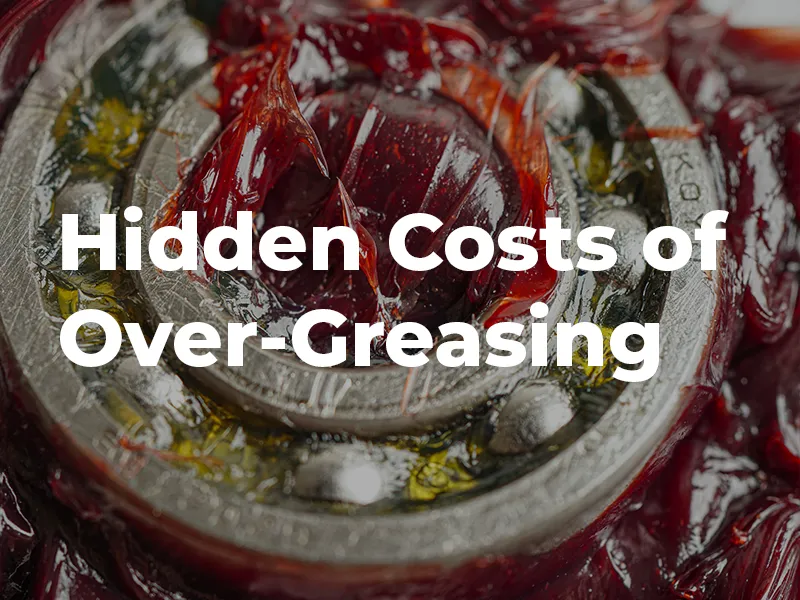
Over-greasing is one of the most common and costly lubrication mistakes. Excess grease builds pressure, ruptures seals, and overheats components, leading to bearing failures, wasted product, and unnecessary downtime. This breakdown shows how over-greasing quietly damages different components and what you can do to prevent it.
Client Success Story | Massachusetts Municipal Fleet Division

When a Fleet Supervisor at a Massachusetts DPW needed more than sales talk, he found it with Lubrication Technologies. From the first call, he noticed a difference: real people answering the phone, technical support that made sense, and solutions that actually reduced grease use across his fleet. Backed by nearly 50 years of lubrication expertise, our team helped him achieve measurable results through practical problem-solving and dependable products that perform.
Rethinking Factory Installed Lube Systems – A Field-Level Perspective
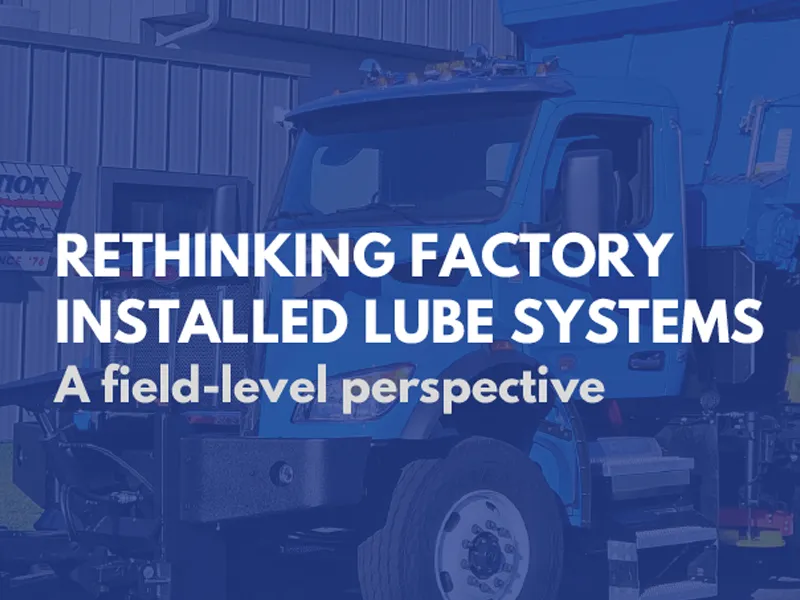
Buying new heavy equipment often means ticking the box for a factory-installed automatic lube system. But as this field-level insight shows, convenience doesn’t always translate into reliability. Built for mass production, many OEM systems fall short on precision, serviceability and long-term uptime. Before you check that box, it’s worth taking a closer look at what the system really delivers – and what it might cost when things go wrong.
Doing the Job Right: Why Design Quality Matters
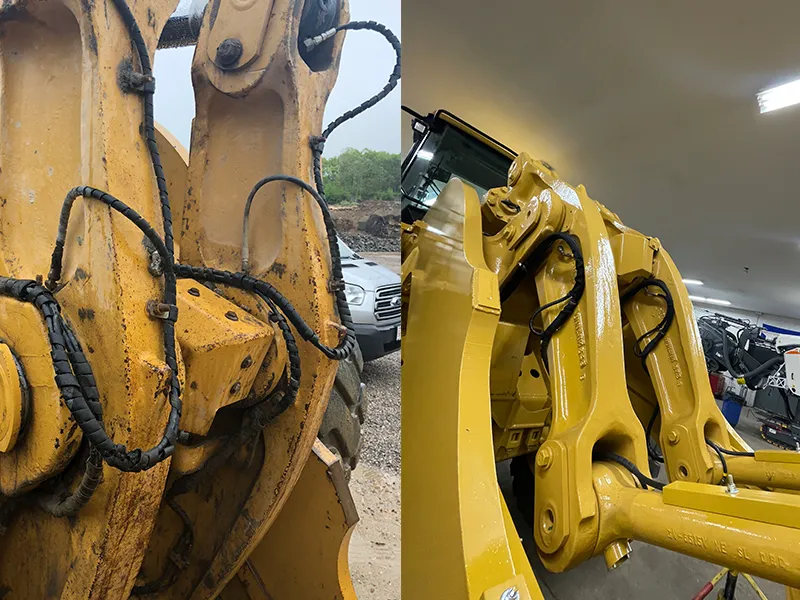
Precision in design defines performance. This article compares two identical machines with very different lubrication system outcomes, one engineered by Lubrication Technologies and another completed elsewhere. Through clean routing, component protection, and attention to detail, our installations deliver long-term reliability and lower maintenance costs. See how doing the job right makes all the difference.
What Wrong Looks Like – And How Lubrication Technologies Gets It Right
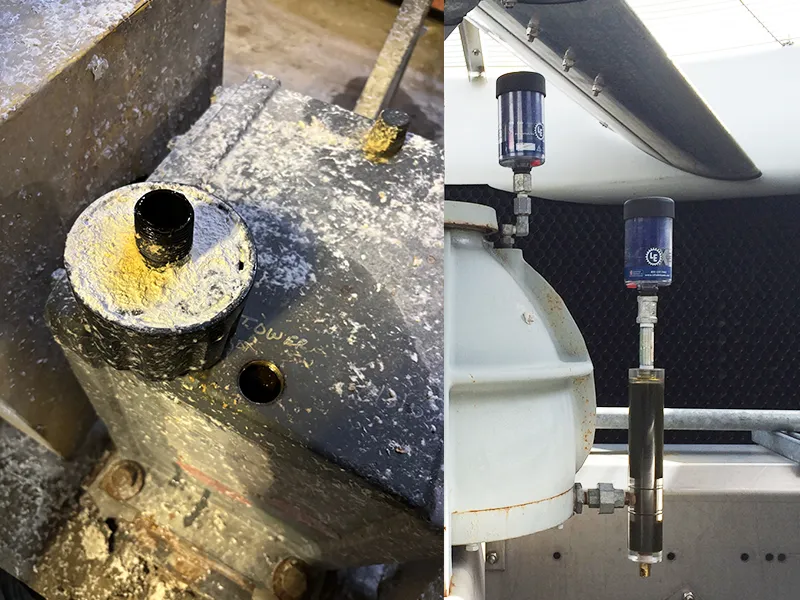
Improper breather setups can quietly destroy equipment reliability, leading to oil contamination, seal failure, and costly downtime. Lubrication Technologies highlights common mistakes — from open pipes to clogged breathers — and shows how proper solutions like Xclude® Desiccant Breathers protect lubricants, extend oil life, and keep critical assets running smoothly.
Industry Insights: Smooth Operators (Operations Engineer)
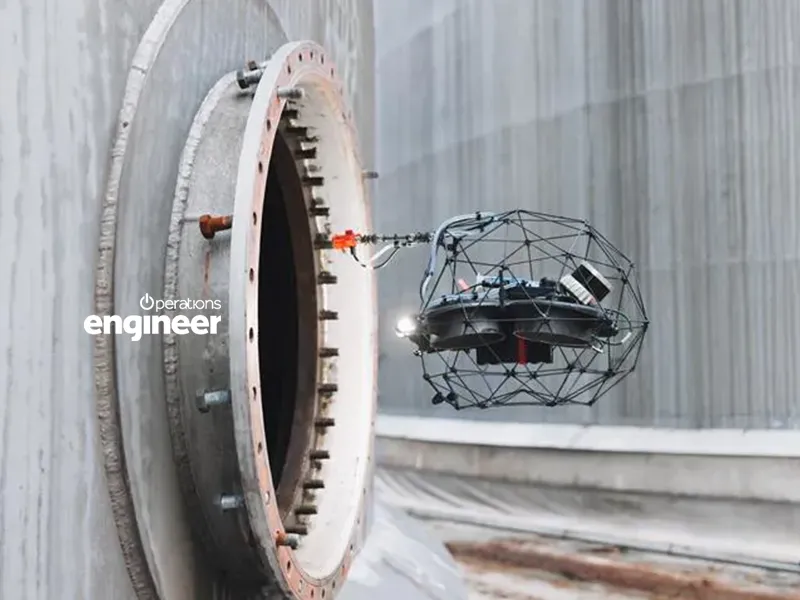
In the Operations Engineer feature Smooth Operators, Louise Davis explains how treating lubrication as a strategic priority reduces friction, extends equipment life, and cuts downtime. The article highlights how modern lubrication practices not only improve reliability but also lower costs, enhance safety, and support sustainability.
Lessons for Longer Life in the Cement Industry
Lubrication is often overlooked in cement production, yet it directly impacts reliability, energy use, and maintenance costs. This article, published in World Cement, explores best practices and a case study showing how the right hydraulic oil extended service life from six months to more than five years, saving costs and reducing waste.